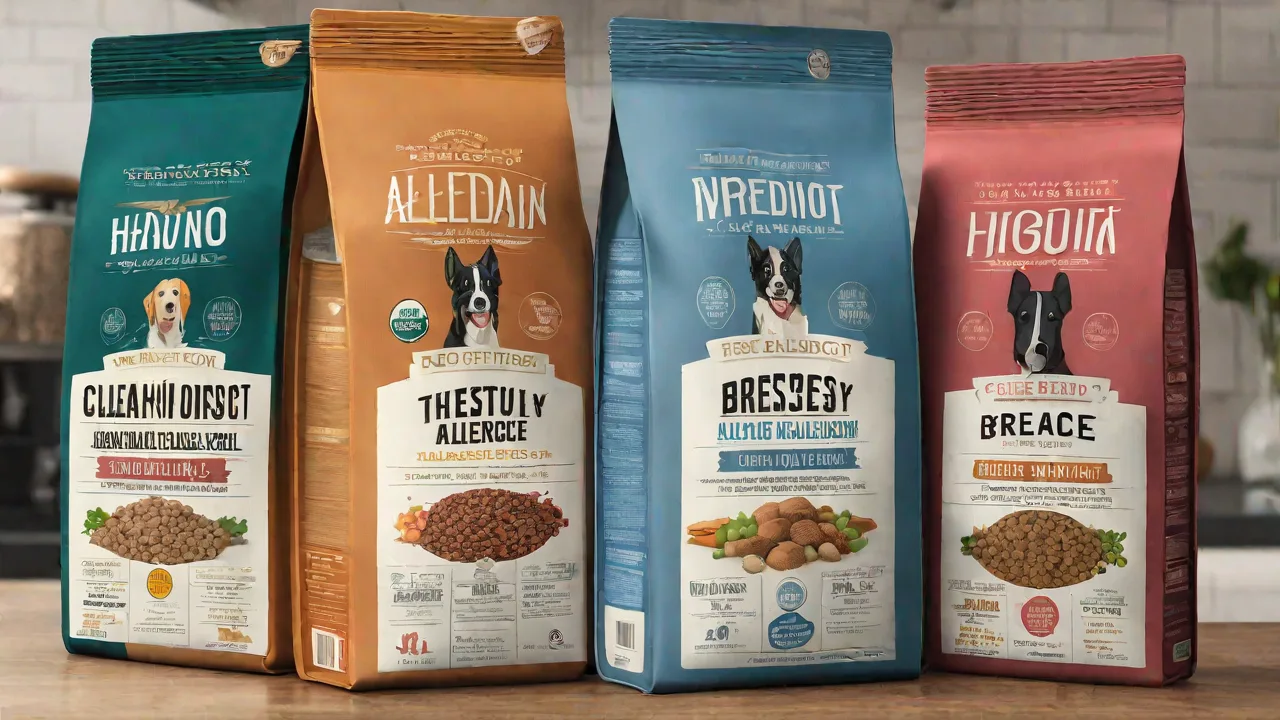
The Best Hypoallergenic Dog Food for Breeds Prone to Allergies
Why Allergy-Prone Dogs Need Special Nutrition
Allergies in dogs are far more than a seasonal annoyance. For many breeds, they lead to relentless itching, recurring ear infections, and chronic digestive distress. The root cause is often dietary: proteins or other ingredients that the immune system mistakenly identifies as threats. Selecting the right hypoallergenic dog food is one of the most effective ways to manage these symptoms, reduce inflammation, and restore your dog's comfort. This guide explores how allergens affect canine health, what makes a diet truly hypoallergenic, and which commercial formulas have earned the trust of veterinarians and pet owners alike.
Breeds such as Golden Retrievers, Labrador Retrievers, French Bulldogs, German Shepherds, and Boxers are among those with a genetic predisposition to food sensitivities. But any dog can develop an allergy at any age, often after prolonged exposure to a specific ingredient. Because food allergies share symptoms with environmental allergies—itchy skin, hot spots, ear issues, and gastrointestinal upset—a careful dietary approach is essential for accurate management.
Understanding Canine Food Allergies
Canine food allergies are an adverse immune response to a protein or carbohydrate that the body incorrectly deems harmful. Unlike food intolerances (which involve digestive difficulty without immune involvement), true food allergies trigger histamine release, causing inflammation, itchiness, and systemic reactions. The most common food allergens in dogs are proteins: beef, dairy, chicken, lamb, fish, eggs, soy, and wheat. Plant-based ingredients such as corn, rice, and oats are far less likely to cause allergic responses but can still be problematic for some individuals.
Allergic reactions typically take 2–3 weeks to appear after initial exposure, or they can develop after months or years of eating the same diet. The primary signs include:
- Chronic itching (especially around the face, paws, ears, and rear)
- Recurring ear infections with dark, waxy discharge
- Hot spots or hair loss due to excessive licking or chewing
- Red, inflamed skin that may develop secondary bacterial infections
- Vomiting, diarrhea, or increased frequency of bowel movements
- Anal gland issues from loose stools
If your dog displays these symptoms, a veterinary diagnosis is vital. The gold standard for identifying food allergies is an elimination diet trial: feeding a novel or hydrolyzed protein diet exclusively for 8–12 weeks, then reintroducing potential triggers one at a time. Relying on blood or saliva tests alone is not reliable. Always consult a qualified veterinarian before making major dietary changes. For more detailed information, the American Kennel Club offers a comprehensive overview of dog food allergies.
What Makes a Dog Food Truly Hypoallergenic?
The term “hypoallergenic” is not strictly regulated by the FDA, but reputable pet food manufacturers use it to describe formulas designed to minimize allergic response. Three main approaches are used, often in combination:
1. Hydrolyzed Proteins
Hydrolyzed protein is broken down into tiny peptide fragments too small for the immune system to recognize as the offending allergen. This method is highly effective for dogs with multiple or unknown sensitivities. Professional veterinary diets like Hill’s Prescription Diet z/d and Royal Canin Hypoallergenic use this technology. Hydrolyzed diets require a prescription to ensure they are used appropriately and to prevent nutritional imbalances.
2. Novel Protein Sources
Novel proteins are those that the dog has never been exposed to, such as kangaroo, venison, rabbit, duck, alligator, or even insect-based protein. Because the immune system has not yet developed antibodies to these proteins, they are far less likely to trigger a reaction. Limited-ingredient diets often pair a single novel protein with a simple carbohydrate source like sweet potato or peas.
3. Limited Ingredient Diets (LID)
LID formulas minimize the number of components to reduce the chance of encountering a hidden allergen. They typically contain one protein source and one or two carbohydrate sources, along with a short list of vitamins and minerals. While not all LID foods are novel protein based, they are a good first step for dogs with mild sensitivities or when the specific allergen is unknown.
Beyond protein and carbohydrate selection, other hypoallergenic attributes include:
- No artificial colors, flavors, or preservatives – These additives can stimulate immune responses.
- Omega-3 and omega-6 fatty acids – From fish oil or flaxseed to support skin barrier health and reduce inflammation.
- Prebiotic fiber and probiotics – To promote a healthy gut microbiome, which plays a key role in immune regulation.
- Limited or single-source fat – Fats are rarely allergenic, but some dogs react to chicken fat or other animal fats.
For a deeper dive into how these ingredients interact with canine allergies, the VCA Animal Hospitals provide a thorough guide on dog allergies and dietary management.
Top Hypoallergenic Dog Foods for Breeds Prone to Allergies
The following diets have been selected based on veterinary recommendation, ingredient quality, and proven results in allergy-prone dogs. Always confirm that a product meets your dog’s specific life stage and health needs. We have grouped them into three categories for clarity.
Prescription Veterinary Diets
These are formulated with hydrolyzed proteins or novel proteins, and are supported by clinical research. A veterinarian’s authorization is typically required, but the level of safety and efficacy is unmatched.
- Hill’s Prescription Diet z/d Dry Dog Food – Uses hydrolyzed chicken protein and a single carbohydrate source (corn starch) to virtually eliminate allergen recognition. It also contains high levels of omega-6 fatty acids for skin repair. Many vets recommend this as a first-line elimination diet.
- Royal Canin Hypoallergenic Hydrolyzed Protein Dog Food – Based on hydrolyzed soy protein isolate, this low-molecular-weight formula is designed for adult dogs with adverse food reactions. It is enriched with EPA, DHA, and a patented complex to support skin health.
- Purina Pro Plan Veterinary Diets HA Hydrolyzed Formula – Uses hydrolyzed chicken protein, corn starch, and a limited ingredient list. It includes high levels of arginine for immune support and is a popular alternative for dogs that do not respond well to other hydrolyzed diets.
Limited Ingredient Diets (Over-the-Counter)
These are widely available without a prescription and are excellent for maintenance once an elimination diet has identified safe ingredients. They are also suitable for dogs with mild sensitivities.
- Blue Buffalo Basics Limited Ingredient Diet (Turkey & Potato) – Features a single animal protein (turkey) and a single carbohydrate (potato). It is free of chicken, beef, dairy, eggs, and soy. Added pumpkin and flaxseed provide digestive support and omega-3s. Note: Blue Buffalo has had previous recalls; check the manufacturer’s website for current safety alerts.
- Natural Balance L.I.D. Limited Ingredient Diets – Available in multiple novel proteins such as venison, salmon, duck, lamb, and bison. The Green Pea & Duck formula is particularly well-tolerated. Natural Balance also offers a “Fatty Acid Blend” to reinforce the skin barrier.
- Wellness Simple Limited Ingredient Diet (Whitefish & Sweet Potato) – A grain-free option that relies on a single protein from whitefish and sweet potato as the main carbohydrate. It includes a guaranteed level of probiotics and taurine for heart health.
Novel Protein & Alternative Diets
These go beyond standard novel proteins and often include unusual sources that are worth considering when traditional options fail.
- Stella & Chewy’s Freeze-Dried Raw Rabbit Dinner Patties – A raw-inspired, high-protein diet using rabbit (a novel protein), with added fruits and vegetables. Freeze-drying preserves nutrients and natural enzymes. This diet is excellent for dogs that do well on raw food, but must be handled carefully to avoid cross-contamination.
- Zignature Kangaroo Limited Ingredient Formula – Uses kangaroo as the sole animal protein, along with peas, chickpeas, and sunflower oil. Kangaroo is extremely lean and rarely causes allergic reactions. Zignature formulas are also free from corn, wheat, soy, dairy, and chicken.
- Instinct Ultimate Protein Cage-Free Duck – High-protein, grain-free option with duck as the primary ingredient. It contains no grains, potatoes, or artificial additives. The limited carbohydrate profile from tapioca and lentils helps maintain stable blood sugar.
How to Choose the Right Hypoallergenic Food for Your Dog
Selecting the optimal diet requires methodical evaluation. Follow these steps in partnership with your veterinarian:
- Begin with a proper diagnosis. Do not assume a food allergy based on symptoms alone. Your vet may recommend allergy testing for environmental factors as well.
- Choose a protein source your dog has never eaten. If you have fed chicken, beef, and fish in the past, try kangaroo, venison, or hydrolyzed protein. Keep a log of every treat, supplement, and flavored medication that could contain hidden allergens.
- Check for certification and safety records. Look for foods that meet AAFCO nutrient profiles for your dog’s life stage. Review the brand’s recall history and quality control practices.
- Evaluate the fat source. Some fats (e.g., chicken fat) can be problematic. Look for plant-based oils like canola, sunflower, or fish oil, which are less likely to cause reactions.
- Consider your dog’s age and activity level. Puppies, active adults, and senior dogs have different calorie and nutrient needs. Ensure the hypoallergenic diet is appropriate for their life stage.
- Plan for an 8–12 week trial. Do not expect immediate results. It can take weeks for the skin and gut to heal. During this period, no other food, treats, or chewable supplements are allowed – only the selected diet and fresh water.
If after the trial the symptoms persist, re-evaluate with your vet. It is possible that the chosen diet still contains a trace allergen, or that the dog has concurrent environmental allergies that require additional management.
Transitioning to a New Hypoallergenic Diet
Even with the right food, a sudden switch can cause digestive upset such as vomiting, diarrhea, or refusal to eat. Use a gradual transition over 7–10 days:
- Days 1–3: 75% old food + 25% new food
- Days 4–6: 50% old + 50% new
- Days 7–9: 25% old + 75% new
- Day 10: 100% new food
If your dog is extremely sensitive, extend the transition to 14 days. Adding a small amount of plain, canned pumpkin (1–2 teaspoons for small dogs, 1–2 tablespoons for large dogs) can help settle the stomach. For prescription diets, particularly hydrolyzed ones, some dogs may refuse the taste initially. Warming the food slightly (avoid microwaving plastic pouches) or adding a small amount of warm water can enhance palatability.
Monitor your dog’s stool consistency, energy level, and skin condition throughout the change. If diarrhea persists for more than 48 hours, contact your veterinarian. The FDA’s Pet Food Safety page offers helpful guidelines for proper storage and handling.
Additional Tips for Managing Allergies in Breeds Prone to Sensitivities
Diet alone may not resolve all allergy symptoms. Integrate these supportive strategies for best results:
- Regular bathing with a hypoallergenic, oatmeal-based shampoo to remove environmental allergens from the skin and coat.
- Environmental control – vacuum frequently, wash bedding in hot water, and use air purifiers in areas where your dog spends the most time.
- Fatty acid supplements – Under veterinary guidance, adding fish oil or flaxseed oil can boost the anti-inflammatory effects of the hypoallergenic food.
- Stick to a strict diet – No table scraps, flavored chews, or rawhide. Even a small piece of chicken can break the elimination trial.
- Keep a symptom journal – Note when symptoms flare and correlate them with any accidental exposures or seasonal changes.
For a deeper understanding of the role of the microbiome in canine allergies, this PubMed study on dietary intervention and canine atopic dermatitis provides scientific insights.
Conclusion
Choosing the best hypoallergenic dog food for a breed prone to allergies is not a one-size-fits-all decision. It requires careful evaluation of your dog’s history, a proper veterinary diagnosis, and a commitment to a structured elimination diet. Hydrolyzed protein formulas offer the safest starting point for severe or unknown allergies, while limited-ingredient and novel protein diets provide excellent maintenance options after triggers are identified. High-quality brands such as Hill’s, Royal Canin, Blue Buffalo, Natural Balance, and Wellness have earned their reputations through safety and efficacy, but individual results vary. By working closely with your veterinarian, maintaining strict dietary control, and incorporating supportive care, you can dramatically reduce your dog’s allergic symptoms and restore their zest for life. After all, a healthy, comfortable dog is a happy companion.