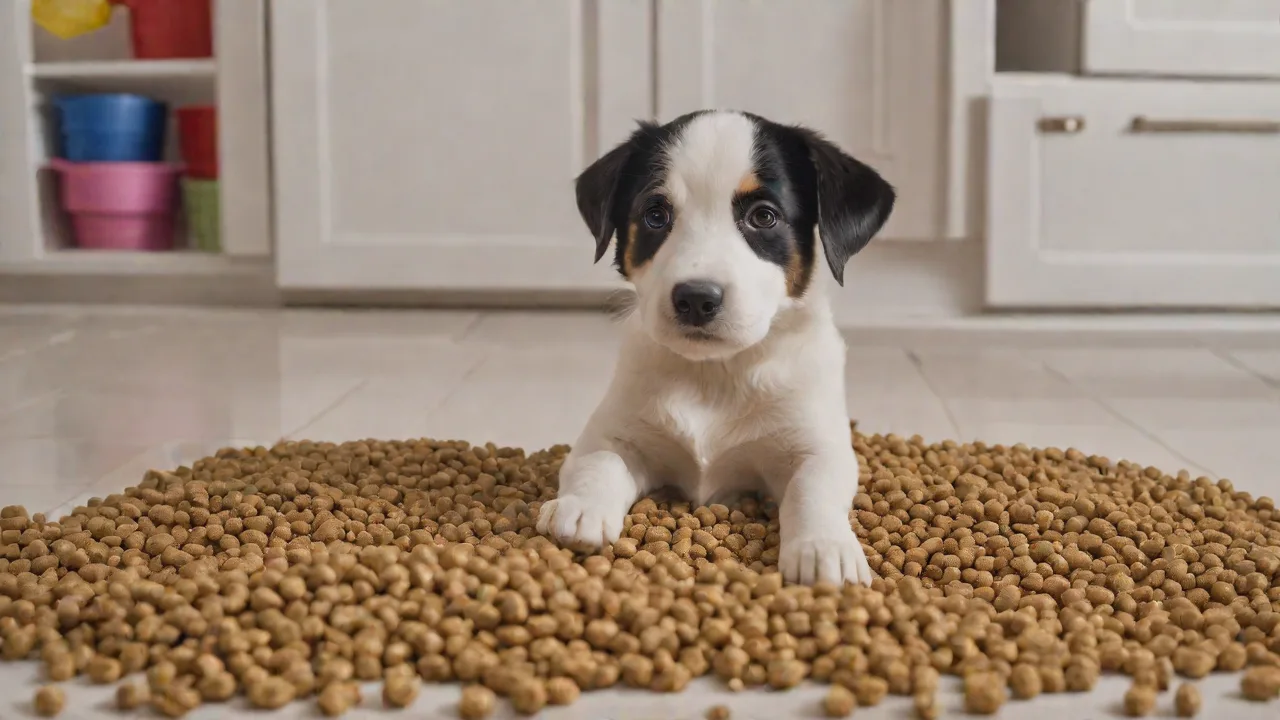
How to Use Dog Food as a Tool for Training and Behavior Management
Dog food is far more than just a daily meal for your canine companion. When used strategically, it becomes one of the most powerful tools in your training and behavior management arsenal. Every time you feed your dog, you have an opportunity to reinforce calmness, teach new skills, and build a stronger bond. This extended guide explores how to harness the full potential of dog food for effective, positive training and behavior modification. Whether you’re a new puppy owner or working with an adult dog with established habits, understanding these principles will set you up for success.
Why Use Dog Food for Training?
Food is a primary reinforcer for dogs — it satisfies a basic survival need, making it inherently motivating. In operant conditioning terms, food rewards increase the likelihood that a behavior will be repeated. Unlike praise or toys, which some dogs may not find rewarding, almost every dog is motivated by food to some degree. This makes it a reliable tool for teaching new behaviors and strengthening good habits.
Using food in training also helps you remain consistent. You never run out of rewards if you use part of your dog’s daily meal as training treats. This consistency speeds up learning because the reward arrives immediately, clearly communicating which action was correct. Moreover, training with food turns mealtime into a learning session, making it a natural part of your daily routine rather than a separate event.
The Science of Food Motivation
When a dog performs a behavior and receives a tasty reward, the brain releases dopamine, reinforcing the neural pathway for that behavior. The more often the sequence is repeated, the stronger the association. This process, known as classical and operant conditioning, is the foundation of all reward-based training. Food’s potent effect makes it ideal for initial teaching stages, especially when the behavior is brand new or when distractions are high.
For a deeper dive into the benefits of positive reinforcement, the American Kennel Club provides expert guidance on using rewards effectively.
Choosing the Right Dog Food for Training
Not all food is equally effective in every training situation. The key is to match the treat value to the difficulty of the task and the level of distraction. Below are the factors to consider when selecting food rewards.
Treat Size and Calorie Density
Training treats should be very small — about the size of a pea or a single kibble. The faster your dog can eat the treat, the quicker you can proceed to the next repetition. Large treats interrupt the flow and contribute to weight gain. If using kibble (your dog’s regular food), consider using a portion of the daily ration so you don’t exceed calorie needs. For higher-value situations, use tiny pieces of soft, moist treats or freeze-dried liver, cut into even smaller bits.
Treat Value Hierarchy
- Low value: Regular kibble or basic biscuits. Good for low-distraction environments, simple behaviors, or for fading treats later.
- Medium value: Soft training treats (e.g., bil-Jac, Zuke’s) or homemade bits of chicken. Suitable for most training sessions and moderate distractions.
- High value: Freeze-dried liver, cheese, or real meat pieces. Essential for teaching difficult behaviors, working in high-distraction areas (like dog parks), or for managing fearful or anxious dogs.
Keep a variety of treat levels available. Success often depends on saving the highest-value rewards for the most important moments, such as when your dog successfully ignores a trigger or performs a complex cue.
Health and Dietary Considerations
Always choose treats that are safe and healthy for your dog. Avoid products with excessive salt, sugar, or artificial preservatives. If you have a dog with sensitive stomach or allergies, consider single-ingredient options like freeze-dried fish or sweet potato. Consult your veterinarian for recommendations specific to your dog’s health. The ASPCA offers practical advice on choosing healthy treats.
Effective Training Techniques Using Dog Food
Positive Reinforcement
The cornerstone of modern dog training. The moment your dog performs the desired behavior, mark it (with a word like “yes” or a clicker) and deliver a food reward. Timing is critical — the reward must come within one second of the behavior to create a clear association. For example, when teaching “sit,” reward as soon as the dog’s rear touches the floor, not after they stand back up.
Clicker Training
Clicker training uses a distinct sound to pinpoint the exact moment your dog does something right. The click is followed by a treat. This method is exceptionally precise and helps dogs learn complex behaviors more quickly than verbal marks alone. The click always predicts food, so the sound itself becomes a powerful secondary reinforcer. A great resource for beginners is Karen Pryor Clicker Training.
Luring with Food
Hold a treat in your hand and let your dog sniff it. Then move your hand in a way that guides your dog into the desired position. For instance, to teach “down,” lower your hand from in front of the dog’s nose straight down to the floor, then pull forward slightly. As the dog follows the treat into a down position, say “down” and reward. Over time, fade the lure by using an empty hand, then a verbal cue, and eventually withhold the treat until the dog performs the cue reliably.
Shaping
Shaping involves rewarding successive approximations of the final behavior. For “touch a target with your nose,” you might first reward the dog for looking at the target, then for moving toward it, then for sniffing it, and finally for touching it. Each small step is reinforced until the full behavior emerges. Shaping encourages creativity and problem-solving in your dog, and food is the ideal currency for this process.
Premack Principle
This principle uses a more likely behavior (like eating) as a reward for a less likely behavior (like lying quietly). For example, if your dog wants to chase a squirrel, you ask them to sit and look at you, then release them to run — thereby using the chasing opportunity as the reward. In training, you can use higher-value food as a reward for performing a lower-priority cue. This principle is especially helpful for managing high-energy or prey-driven dogs.
Managing Behavior with Dog Food
Redirecting Unwanted Behaviors
When your dog engages in an undesirable action like jumping, barking, or mouthing, use food to redirect them to a different, acceptable behavior. For example, if your dog jumps on visitors, ask for a “sit” and reward with a treat. Over time, your dog will learn that sitting (instead of jumping) leads to good things. The key is to intercept the behavior before it becomes ingrained and to reward the alternative consistently.
Teaching Calmness and Relaxation
Food can also be used to reinforce calm emotional states. A technique called “Capturing Calmness” involves tossing small treats when your dog is lying down quietly, without any cue. You simply drop the treat near them while they remain relaxed. This teaches your dog that being calm is rewarding. You can also practice the Relaxation Protocol (by Karen Overall), which uses food paired with increasingly challenging distractions to help dogs stay calm.
Addressing Resource Guarding
If your dog guards food or toys, using food as a reward for trading can be life-saving. Teach them that approaching you or dropping an item results in a high-value treat. For example, when your dog has a toy, offer a piece of chicken. As they release the toy, say “drop it” and reward. This turns the trade into a positive experience and reduces guarding tendencies over time. For severe cases, work with a certified behaviorist.
Managing Reactivity at a Distance
For dogs who bark or lunge at other dogs or people, food can be used in a systematic desensitization and counterconditioning program. When your dog sees a trigger at a distance (below threshold), immediately feed them high-value treats. This changes the emotional response from fear or excitement to anticipation of food. Over time, you can decrease the distance. This approach requires careful management of the environment and should be done with professional guidance if needed.
Tips for Success
- Use part of your dog’s daily meal: Measure out a portion of kibble and use it as training treats. This prevents overfeeding and makes training a regular part of the day.
- Vary treat value: Keep a mix of kibble and high-value treats. Use high-value rewards for new, difficult, or high-distraction behaviors; use low-value for maintenance.
- Reinforce frequently at first, then fade: When teaching a new behavior, reward every correct response. As the behavior becomes reliable, gradually reward only the best efforts or after multiple repetitions (variable reinforcement).
- Pair food with praise: Say “good boy” or “yes” right before giving the treat. Over time, the praise will acquire secondary reinforcing value and can replace food in many situations.
- Keep sessions short: Dogs learn best in short, frequent sessions (2-5 minutes each). Several mini-sessions spread throughout the day are far more effective than one long session.
- Prevent resource guarding: Always hand-feed treats calmly. Avoid startling your dog or snatching the treat away. Let them take it gently.
- Adjust based on your dog: Some dogs are picky, others are too excited to eat. For overexcited dogs, use lower-value food or calm them with breathing exercises before rewarding. For picky dogs, save the good stuff exclusively for training.
Common Mistakes to Avoid
- Using treats too large: Big treats reduce the number of repetitions, slow down the session, and add unnecessary calories. Size matters.
- Poor timing: Delivering the treat too late can accidentally reinforce the wrong behavior. Always mark (click or say “yes”) the desired response immediately, then treat.
- Over-reliance on food: Food is a tool, not the end goal. Once a behavior is strong, begin to fade the rate of food rewards, replacing with praise, play, or life rewards (like going outside).
- Using low-value food for high-stress situations: When your dog is scared or distracted, regular kibble may not be compelling enough. Always bring high-value treats to potentially difficult environments.
- Forgetting to account for training treats in the diet: If you’re giving 50 tiny treats per session, reduce your dog’s meals proportionally to avoid weight gain. Many owners keep a “training jar” with daily measured kibble.
- Moving too fast: If you increase distractions or difficulty too quickly, your dog will fail and become frustrated. Raise criteria gradually, and set your dog up for success by starting in an easy environment.
Integrating Dog Food into Your Dog’s Daily Diet
A common concern is that training with food leads to obesity or pestering behavior. The solution is simple: use a portion of your dog’s regular daily kibble as training treats. For many dogs, their entire breakfast or dinner can be delivered piece by piece during training sessions. This approach:
- Prevents overfeeding
- Increases a dog’s willingness to work for food (since they have to earn it)
- Makes training a natural, daily habit
- Reduces the cost of training treats
For dogs that need special diets, consult a veterinary nutritionist. Over-the-counter training treats can be used sparingly, but the bulk of food rewards should come from balanced, nutritionally complete kibble. If you use high-value treats like cheese or chicken, reserve them for high-stakes training and reduce meal portions accordingly.
Conclusion
Dog food is a remarkable tool that, when used thoughtfully, can transform your training sessions and improve your dog’s behavior in nearly every setting. By understanding treat value, timing, and the principles of positive reinforcement, you can teach new skills, manage unwanted habits, and build an even stronger partnership with your dog. The best part is that the resource is already in your pantry — all you need is a little planning and consistency. Start today by using a handful of your dog’s kibble as the foundation of your next training session, and watch how quickly your dog begins to offer the behaviors you love.
For further reading on reward-based training and behavior management, explore resources from organizations like the Association of Professional Dog Trainers and the International Association of Animal Behavior Consultants.