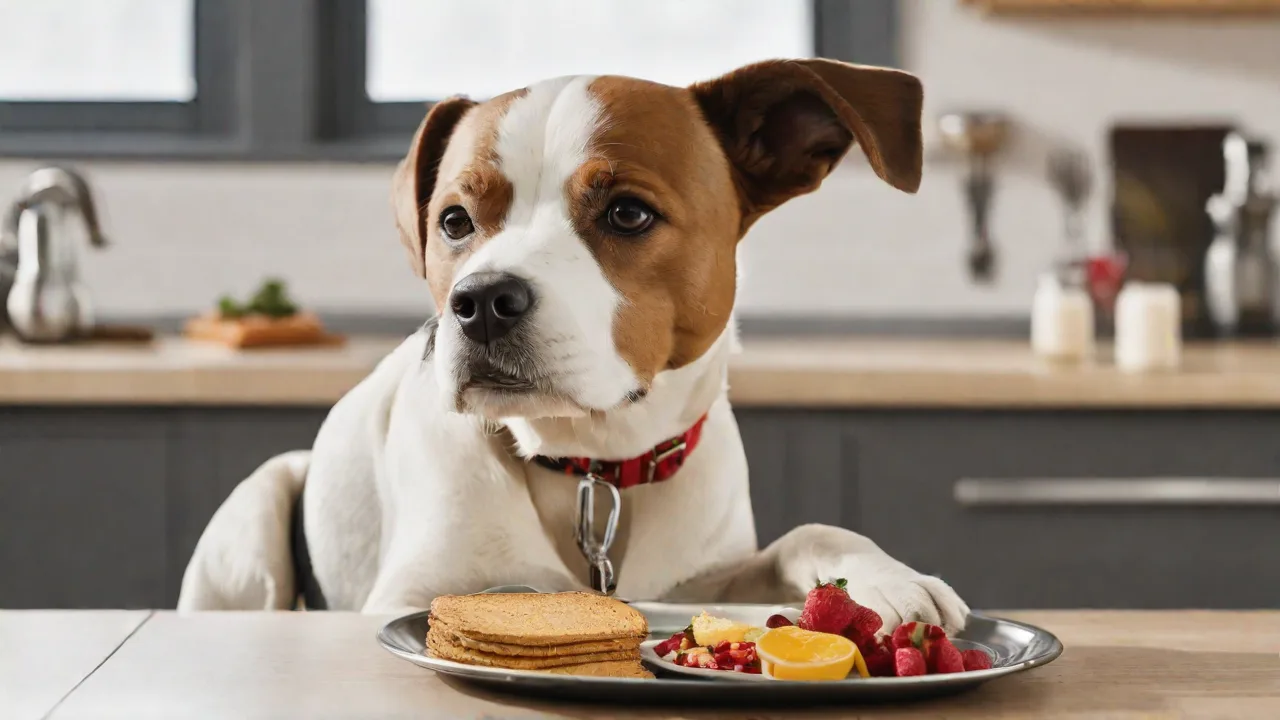
How to Recognize and Prevent Food Boredom in Dogs
Dogs, like humans, can grow tired of eating the same thing day after day. Food boredom in dogs is a genuine issue that affects their appetite, digestion, and even behavior. While some picky eating stems from medical conditions, many cases are simply a matter of monotony. Recognizing the signs early and implementing strategies to keep mealtime interesting can improve your dog’s quality of life, strengthen your bond, and ensure they receive the nutrition they need. This article explores what food boredom looks like, why it matters, and how to prevent it with practical, safe methods.
What Is Food Boredom in Dogs?
Food boredom, also known as sensory-specific satiety, occurs when an animal becomes less interested in a food after repeated exposure. The phenomenon is well-documented in humans and has been observed in dogs as well. Essentially, the novelty of a particular flavor, texture, or smell wears off, and the dog no longer finds the meal as rewarding. This is different from a medical loss of appetite, which typically involves lethargy, vomiting, or other signs of illness. Food boredom is characterized by a selective disinterest—your dog might turn up their nose at their kibble but eagerly devour a treat or table scrap.
Understanding this distinction is important because boredom-related refusal can sometimes be misinterpreted as a health problem. Conversely, assuming a dog is just being picky when they actually have an underlying issue can delay treatment. A veterinarian should always be consulted if your dog suddenly stops eating or shows other concerning symptoms. Research suggests that dogs, like people, experience a drop in hedonic response to a food after repeated consumption, a key driver of food boredom.
Recognizing the Signs of Food Boredom
The most obvious sign is a dog that frequently leaves food in their bowl or walks away mid-meal. However, food boredom can manifest in more subtle ways. Here are common indicators to watch for:
- Refusing to eat or showing disinterest in meals: Your dog may sniff the bowl, take a few bites, then wander off. They might only eat when you are present or when you add something special.
- Eating very quickly and then seeming unsatisfied: Paradoxically, some bored dogs gulp down their food as if to get it over with, then immediately beg for more or scavenge for crumbs.
- Chewing on inappropriate objects during mealtime: A dog that is not mentally stimulated by their food may redirect that energy into destructive chewing of furniture, toys, or their own bed.
- Lack of enthusiasm or excitement about food: Where once their tail wagged at the sound of the kibble bag, now they barely lift their head. The ritual of feeding becomes dull.
- Digestive issues or irregular bowel movements: Boredom can lead to eating too quickly, skipping meals, or scavenging for stale or spoiled food, all of which can upset the gastrointestinal tract.
- Begging for human food while ignoring their own: This is a classic sign—your dog wants variety, not just calories.
- Pawing at the bowl or nudging it around: Some dogs push their bowl away or flip it over in frustration.
- Whining or vocalizing near feeding time: If your dog whines before meals but then snubs the food, boredom may be at play.
If you notice one or more of these behaviors persisting for more than a few days, food boredom is a likely culprit. But before changing their diet, rule out medical causes such as dental pain, nausea, or illness. A dog that suddenly becomes bored with food after years of acceptance should be examined by a veterinarian.
Why Preventing Food Boredom Matters
Food boredom is not just a minor inconvenience. Over time, it can lead to several negative outcomes:
- Poor nutrition: A dog that consistently refuses food may not get all the essential nutrients they need. This can weaken the immune system, dull the coat, and affect energy levels.
- Behavioral problems: Frustration from monotonous meals can manifest as increased begging, counter-surfing, or aggression around food. Some dogs develop resource guarding because they associate the bowl with something they dislike.
- Weight fluctuations: Skipping meals leads to weight loss, while eating low-quality fillers or too many treats can cause obesity. Both extremes are unhealthy.
- Strained owner-dog relationship: The daily struggle over food can be stressful for both parties. Preventing boredom creates a positive feeding experience.
- Gastrointestinal distress: A bored dog may eat too quickly when they finally decide to eat, leading to vomiting, bloat, or diarrhea. Alternating between fasting and overeating disrupts digestion.
Addressing food boredom proactively is a cornerstone of responsible pet ownership. It enriches your dog’s life and supports their overall well-being. A varied diet also helps prevent the development of food sensitivities simply by not overexposing the immune system to a single protein source.
Strategies to Prevent Food Boredom
Fortunately, there are many ways to keep meals exciting without sacrificing nutrition. The key is to vary the sensory experience—flavor, texture, smell, and even presentation—while maintaining a balanced diet. Below are evidence-based strategies, each explained in detail.
1. Rotate Your Dog’s Food
Feeding the same brand and flavor for months or years is a primary cause of boredom. Rotating between different protein sources (chicken, beef, lamb, fish) and different formulations (kibble, wet, freeze-dried, raw) can renew your dog’s interest. Many pet nutritionists recommend a rotation diet because it also provides a broader range of nutrients and reduces the risk of developing food sensitivities from overexposure to one ingredient.
When rotating, do so gradually over 5–7 days to avoid digestive upset. Mix increasing amounts of the new food with the old one. You can also rotate between premium commercial brands. For example, feed a high-quality kibble for three weeks, then switch to a similar-quality wet diet for a week, then back. This variation keeps the palate interested.
If your dog has a sensitive stomach or known allergies, consult a veterinarian before instituting a rotation. Some dogs thrive on a consistent diet, but for most healthy dogs, variety is beneficial. You can also try rotating within the same brand—many companies offer multiple protein options in the same line, which can be swapped without full transitions.
2. Use Puzzle Feeders and Food Toys
Puzzle feeders transform eating from a passive activity into an engaging challenge. These devices require the dog to manipulate levers, slide panels, or roll the toy to release kibble. The mental stimulation mimics foraging behavior that dogs evolved to perform. Research shows that mentally stimulated dogs are happier and less prone to destructive behaviors.
Examples include treat-dispensing balls (like the Kong Wobbler), snuffle mats that hide kibble in fabric strips, and interactive puzzles with compartments. Start with an easy puzzle to avoid frustration, then increase difficulty as your dog becomes proficient. For slow eaters, puzzle feeders also slow down consumption, reducing the risk of bloat and vomiting.
If you prefer a structured product, the AKC recommends several puzzle toy options that cater to different skill levels. Rotate puzzles or alternate between different types to maintain novelty. You can even make DIY puzzles using muffin tins with tennis balls on top or cardboard tubes stuffed with kibble and folded ends.
3. Add Healthy Toppings and Mix-Ins
One of the simplest ways to combat food boredom is to add a topper. This can be as basic as a spoonful of plain canned pumpkin (not pie filling), unsalted bone broth, or a dollop of plain yogurt. These additions introduce new flavors and textures without significantly altering the nutritional profile. Other safe options include:
- Cooked, unseasoned vegetables (carrots, green beans, sweet potatoes)
- Small amounts of lean cooked meat (chicken, turkey, beef)
- Fish oil or salmon oil (provides omega-3 fatty acids)
- Freeze-dried liver or other single-ingredient treats crumbled on top
- Fresh berries (blueberries, strawberries) in moderation
- Plain kefir or cottage cheese for probiotics
Be careful with portion sizes—toppers should make up no more than 10% of the daily caloric intake. Too many extras unbalance the diet and can lead to obesity or digestive issues. Always avoid toxic foods like grapes, raisins, onions, garlic, xylitol, and excessive salt.
4. Offer Variety in Textures and Forms
Dogs experience food with their mouths as much as their noses. A dog that eats only dry kibble may find the same texture monotonous. Mixing textures can spark interest. For example, combine a small amount of wet food with kibble to create a semi-moist meal. Or use freeze-dried raw patties that can be crunched or rehydrated to a soft texture.
You can also offer meals in different forms—some dogs enjoy licking a frozen Kong filled with blended food or yogurt, while others prefer to chew a dehydrated meat treat. Rotating between dry, wet, fresh, and dehydrated options keeps the eating experience varied. For dogs on a complete diet, ensure that swaps maintain nutritional balance. Consider using a slow feeder bowl with ridges to add a tactile difference even with the same kibble.
5. Establish a Consistent Feeding Routine
While variety in food is important, consistency in timing is equally crucial. Dogs thrive on routine. When meals happen at the same times each day, the dog learns to anticipate and look forward to them. This anticipation can make the food seem more rewarding, even if it is the same recipe.
Feed your adult dog twice a day—morning and evening—at roughly the same hours. Remove uneaten food after 20–30 minutes. A consistent schedule also helps regulate digestion and bowel movements. If your dog skips a meal, they will come to the next feeding hungry, which reinforces the value of the meal. Avoid leaving food out all day, as free-feeding reduces the novelty of mealtime.
6. Incorporate Training and Food Games
Turning meal time into a training session is another powerful tool. Instead of serving food in a bowl, use portions for reward-based training. Have your dog perform a few commands (sit, stay, touch) before releasing them to eat from a bowl or puzzle. This associates the food with positive interaction and accomplishment.
Food games like “find the kibble” work well too. Scatter a handful of kibble around the house or yard and encourage your dog to sniff it out. This taps into their natural foraging instincts and makes the meal a treasure hunt. It also provides mental exercise that can tire a dog as much as a long walk. You can also use food-stuffed toys like the KONG or West Paw Zogoflex Tux.
7. Consider Homemade or Fresh Food Additions
Many pet owners are turning to fresh or homemade diets to combat boredom. While not necessary for every dog, adding a small portion of fresh, balanced food can be a game-changer. Options include commercially prepared fresh food delivery services or vet-approved homemade recipes. The key is to ensure that any fresh food addition complements the base diet rather than unbalancing it.
If you decide to incorporate more fresh foods, start slowly. For example, replace 10% of the daily kibble with an equal calorie amount of cooked lean meat and vegetables. Do not free-feed or significantly increase total calories. The VCA Hospitals page on dog nutrition offers guidance on balanced feeding.
8. Change the Bowl or Feeding Area
Sometimes the environment itself contributes to boredom. Using a different bowl—a shallow ceramic dish, a slow feeder bowl, or even a silicone mat—can change the dining experience. Alternatively, feeding in a different location, such as the backyard on a warm day or a quiet room away from foot traffic, can make meals feel new and special. This is especially helpful for anxious or distracted dogs.
You can even vary the feeding location by offering meals in different rooms each day, or using a feeder that attaches to a crate door. Small changes in presentation can rekindle interest without altering nutrition.
9. Understand Your Dog’s Taste Preferences
Every dog has unique preferences—some love fish flavors, others prefer beef. Pay attention to which proteins or textures excite them most. Some dogs are driven by smell, so a food with a stronger aroma (like wet food or fish-based kibble) may be more stimulating. Others respond to crunch or moisture. By learning what your dog naturally gravitates toward, you can tailor variety to their tastes while still providing balanced meals.
You can test preferences by offering two small bowls of different foods side by side (not as a full meal) and observing which one they finish first. This simple test can guide your rotation choices and reduce waste.
Common Mistakes to Avoid
When trying to prevent food boredom, some well-intentioned efforts can backfire. Avoid these pitfalls:
- Frequent changes without transitions: Rapid food swaps cause digestive upset. Always introduce new foods gradually.
- Overusing treats or table scraps: Too many extras unbalance the diet and can cause obesity or nutritional deficiencies.
- Giving in to every refusal: If your dog skips a meal, don’t immediately offer something different. Sometimes they need to learn that the bowl is the only option for that time. Stick to the feeding schedule.
- Neglecting dental health: Tooth pain or gum disease can mimic boredom. If your dog shows sudden disinterest, have their teeth checked.
- Ignoring safety: Adding unsafe human foods (onions, grapes, xylitol) can be toxic. Always double-check ingredients.
For more guidance on safe foods, the Tufts University veterinary nutrition blog covers a wide range of pet feeding topics.
When to Consult a Veterinarian
Many cases of food boredom are behavioral and can be resolved with the strategies above. However, a veterinarian should be involved if:
- Your dog refuses food for more than 24 hours.
- Weight loss is noticeable.
- There are signs of vomiting, diarrhea, or lethargy.
- Your dog has a history of allergies, pancreatitis, or kidney disease.
- The problem starts suddenly after a change in diet or environment.
A vet can rule out medical causes and help design a rotation plan that meets your dog’s specific needs. They can also recommend commercial diets that are formulated for picky eaters or sensitive stomachs. In some cases, prescription diets may be needed to address underlying conditions while still allowing for variety within that therapeutic range.
For more information on recognizing when a vet visit is necessary, the American Veterinary Medical Association offers pet nutrition resources that are helpful for owners.
Conclusion
Food boredom in dogs is a normal, preventable phenomenon. By recognizing the signs early—refusal to eat, lack of enthusiasm, destructive mealtime behaviors—and applying varied strategies, owners can keep their dogs engaged, happy, and well-nourished. The most effective approach combines food rotation, puzzle feeders, tasty but safe toppers, training games, and a consistent routine. Always prioritize nutritional balance and consult a veterinarian when in doubt.
A varied, stimulating feeding experience does more than prevent boredom. It strengthens the bond between you and your dog and ensures that every meal is something to look forward to. With a little effort, mealtime can become a highlight of your dog’s day, every day.